
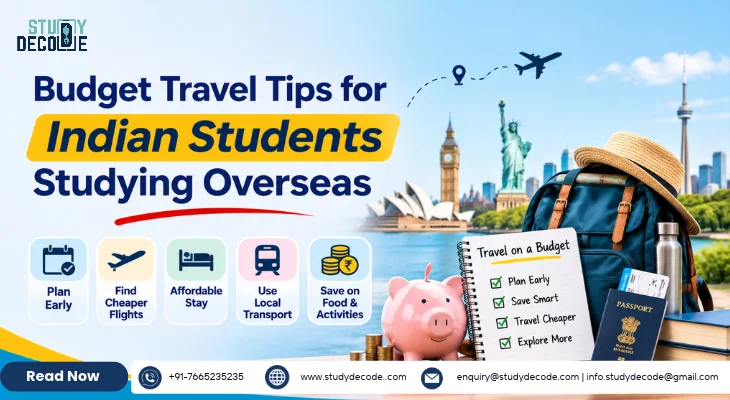
Studying abroad is an exciting opportunity for Indian students, offering exposure to international education systems, new cultures and career possibilities. However, living in another country also comes with financial responsibilities. Tuition fees, accommodation, food, transportation and everyday expenses can quickly add up, making financial planning an important part of the overseas student experience.
Apart from regular living expenses, students often want to explore their host country, visit nearby cities and travel during university holidays. Unfortunately, frequent trips and unplanned spending can put additional pressure on an already limited student budget.
The good news is that international travel does not always require a large budget. With careful planning, flexible travel dates and the right choices, Indian students can explore new destinations without spending unnecessarily.
This guide covers practical budget travel tips for Indian students studying overseas, including affordable transportation, accommodation, food, travel planning and ways to manage expenses while enjoying their international experience.
1. Prepare a Separate Travel Budget
One of the most effective ways to control travel expenses is to maintain a separate budget for recreational activities and holidays.
Students should first calculate their essential monthly expenses, including rent, groceries, university fees, transportation and other regular commitments. Once these expenses are accounted for, they can decide how much money is available for travel.
A basic travel budget may include:
| Expense category | What to include |
|---|---|
| Transportation | Flights, trains, buses and local transfers |
| Accommodation | Hostels, budget hotels and shared stays |
| Food | Meals, snacks and drinking water |
| Sightseeing | Museum tickets, attractions and activities |
| Communication | Local SIM cards and internet access |
| Travel insurance | Applicable coverage for the journey |
| Emergency funds | Unexpected expenses and travel disruptions |
Students should avoid using money reserved for tuition fees, rent or essential expenses to finance holidays. If balancing studies and travel planning feels difficult, this guide on effective time management for students can help you stay organised.
A realistic travel budget makes it easier to decide how frequently to travel and which destinations are affordable.
2. Choose Affordable Travel Destinations
Not every international destination requires the same level of spending. Some cities are considerably more expensive than others, even within the same country.
Students can save money by exploring destinations that offer affordable accommodation, public transportation, reasonably priced food and free or low-cost attractions. You can explore budget travel options to identify affordable destinations and money-saving ideas for student trips.
For example, instead of spending an entire weekend in an expensive tourist city, students can consider smaller towns, nearby countryside locations or destinations that are accessible through economical public transportation.
When selecting a destination, compare:
- Average accommodation costs.
- Transportation expenses.
- Food and restaurant prices.
- Entrance fees for tourist attractions.
- Seasonal travel costs.
- Distance from your university or current residence.
It is also worth researching destinations that are popular among students and budget travellers. These places often have affordable hostels, student discounts and convenient public transportation.
3. Book Flights and Train Tickets in Advance
Transportation can consume a significant portion of a student's travel budget, particularly when visiting destinations located far from their university.
Booking tickets early can provide more choices and sometimes better prices, although fares depend on demand, season and availability.
Consider these practical tips:
Compare different travel providers: Check multiple airlines, railway operators and bus services before making a booking.
Remain flexible with travel dates: Travelling during weekdays or outside major holiday periods may offer more affordable options.
Check alternative airports: Some destinations have multiple airports. However, compare the cost of reaching the city centre before selecting a cheaper airport.
Review baggage allowances: Budget airlines may charge separately for checked luggage, seat selection and other services. Compare the complete fare rather than the advertised starting price.
Look for student concessions: Some airlines and transportation providers offer student discounts or special baggage benefits. Check eligibility and conditions before booking.
For shorter journeys, trains and intercity buses may be considerably more economical than flights.
4. Make the Most of Student Discounts
Being an international student can provide access to several discounts that help reduce everyday and travel-related expenses.
Many countries offer student concessions on public transportation, museums, cultural attractions and selected recreational activities.
Students should carry their university identification card and check whether an internationally recognised student identification card is accepted at their destination.
Potential student discounts include:
- Reduced public transportation fares.
- Discounted museum and gallery entry.
- Lower prices for selected tourist attractions.
- Special accommodation rates.
- Student membership programmes.
- Discounted cultural and entertainment activities.
However, discounts vary between providers and countries. Students should always check the terms, validity and eligibility conditions before making payments.
5. Choose Budget-Friendly Accommodation
Accommodation is often one of the largest expenses during an international trip.
Students can reduce this cost by choosing suitable alternatives to expensive hotels.
Some common options include:
Hostels: Hostels are popular among students and budget travellers because they offer relatively affordable accommodation. Shared dormitories can be particularly economical.
Shared apartments: Travelling with classmates or friends can make it possible to share accommodation expenses.
University accommodation: Some universities provide temporary guest rooms or student housing facilities, depending on availability.
Budget hotels: Students travelling in pairs or small groups can compare budget hotel options with hostel prices.
Short-term rentals: These may be suitable for longer stays, particularly when the cost can be shared among several travellers.
Before booking, check the property's location, transport connectivity, reviews, security arrangements and cancellation policy. A cheaper property located far from the main attractions may ultimately increase transportation costs.
6. Use Public Transportation Instead of Expensive Taxis
Local transportation expenses can increase considerably when students depend on taxis or private transfers throughout their trip.
Most major international cities have public transportation networks that connect airports, residential areas, university districts and tourist attractions.
Depending on the destination, students can use:
- Metro and underground railway systems.
- City buses.
- Local trains.
- Trams.
- Shared transportation services.
- Bicycle rental facilities.
Many cities also offer daily, weekly or monthly travel passes that can be more economical than purchasing individual tickets.
Before travelling, research the local transportation system and download reliable navigation applications. Planning routes in advance can reduce unnecessary transfers and help avoid expensive last-minute journeys.
Walking is another practical option for exploring compact city centres and nearby attractions, provided the routes are safe and suitable.
7. Save Money on Food and Daily Expenses
Eating at restaurants for every meal can quickly increase travel expenses, especially in expensive international cities.
Students can manage their food budget by combining affordable restaurants with grocery shopping and self-prepared meals.
Some useful approaches include:
- Purchase groceries from local supermarkets.
- Prepare simple meals when accommodation facilities permit.
- Carry a reusable water bottle where safe drinking water is available.
- Explore affordable local food markets.
- Compare lunch menus and student meal deals.
- Avoid unnecessary spending at expensive tourist restaurants.
Trying local food is an important part of international travel, but students do not need to choose expensive dining options to enjoy regional cuisine.
Planning meals in advance also helps prevent unnecessary purchases when travelling between attractions.
8. Travel During Off-Peak Seasons
Travel demand has a direct influence on the prices of flights, hotels and tourist activities.
Popular destinations often become more expensive during school holidays, major festivals, summer vacations and other peak travel periods.
Students who have flexible academic schedules can consider travelling during less crowded periods.
Benefits of off-peak travel may include:
- Lower accommodation prices.
- More flight and transportation choices.
- Fewer crowds at popular attractions.
- Greater availability of affordable activities.
- A more relaxed sightseeing experience.
However, students should consider the destination's weather conditions, seasonal closures and transportation schedules before finalising their plans.
Academic responsibilities should always come first. Travel dates should be selected around university examinations, assignment deadlines and attendance requirements.
9. Explore Free and Low-Cost Tourist Attractions
A memorable international trip does not necessarily require expensive sightseeing activities.
Many cities offer interesting experiences that are free or inexpensive.
Students can explore:
- Public parks and botanical gardens.
- Historic streets and neighbourhoods.
- Public beaches and waterfront areas.
- Cultural festivals and community events.
- Free walking tours.
- University museums and galleries.
- Public libraries and heritage buildings.
- Local markets and scenic viewpoints.
Some museums and attractions also offer free admission on selected days or discounted student entry.
Before purchasing sightseeing packages, check the official attraction websites for available offers and admission conditions.
Combining free attractions with a few paid experiences can make a trip enjoyable while keeping the overall budget under control.
10. Plan Weekend Trips With Friends
Travelling with classmates and friends can make certain expenses more manageable.
For example, students can share accommodation, divide local transportation costs and book group activities where discounts are available.
Group travel also makes it easier to organise short weekend trips without arranging every detail individually.
However, group travel works best when everyone agrees on the budget, destination, accommodation and travel schedule in advance.
Students should also maintain personal emergency funds and avoid depending entirely on other travellers for essential expenses.
11. Use Travel Applications and Online Tools
Technology can make budget travel planning considerably easier.
Several applications and online platforms help students compare transportation options, find accommodation, navigate unfamiliar cities and manage expenses.
Useful categories of travel applications include:
Flight comparison platforms: Compare airline fares, routes and travel dates.
Accommodation platforms: Find hostels, budget hotels and short-term stays.
Navigation applications: Explore public transportation routes and walking directions.
Currency converters: Understand international exchange rates and estimate expenses.
Expense tracking tools: Record daily spending and monitor the remaining travel budget.
Language translation applications: Communicate more comfortably in destinations where English is not widely spoken.
Students should download essential applications before departure and check whether offline features are available.
It is also important to compare the final prices, including service charges, taxes and booking fees, before confirming reservations.
12. Understand Currency Exchange and International Payment Charges
International transactions can involve additional expenses that students may overlook when preparing a travel budget.
Foreign exchange margins, international transaction fees, ATM withdrawal charges and currency conversion costs can affect the total amount spent during a trip.
To manage these expenses:
- Check the exchange rate before exchanging currency.
- Compare foreign exchange services and their charges.
- Review your bank's international transaction fees.
- Understand ATM withdrawal limits and charges.
- Avoid unnecessary currency conversions.
- Keep a small amount of local currency for immediate expenses.
Students should also check whether their debit or credit cards support international payments and whether any activation is required.
Avoid using unfamiliar currency exchange services without verifying their legitimacy and applicable charges.
13. Do Not Compromise on Travel Safety and Insurance
Saving money should never mean ignoring personal safety or essential travel protection.
Unexpected events such as medical emergencies, travel delays, baggage problems and trip interruptions can create additional financial pressure.
Students should understand whether their existing student health insurance provides coverage during personal holidays or travel outside their university's country.
Depending on the destination and circumstances, a separate travel insurance policy may be appropriate.
Before selecting a policy, consider:
- Emergency medical coverage.
- Hospitalisation benefits.
- Emergency medical evacuation, if included.
- Trip cancellation and interruption coverage.
- Baggage loss or delay protection.
- Policy exclusions and claim conditions.
Coverage differs between insurance providers and plans. Students should read the policy wording carefully and confirm whether the intended journey is covered. You can also refer to travel insurance plans for a clearer understanding of available options.
Similarly, do not choose accommodation or transportation solely because it is the cheapest option. Check safety standards, verified reviews and service reliability before booking.
14. Avoid Common Budget Travel Mistakes
Even students who plan their trips carefully can make mistakes that increase expenses.
Some common mistakes include:
Booking without comparing prices: Confirming the first available flight or hotel may result in unnecessary spending.
Ignoring additional charges: Baggage fees, taxes, booking charges and transportation costs can make a seemingly cheap option expensive.
Travelling without an itinerary: Unplanned journeys may involve unnecessary transportation and last-minute accommodation bookings.
Overpacking: Excess luggage can lead to additional airline charges and make local transportation difficult.
Ignoring cancellation policies: Flexible bookings may sometimes be worth considering when travel dates are uncertain.
Spending too much on shopping: Students should establish a reasonable shopping limit rather than using their entire travel budget on souvenirs and unnecessary purchases.
Not maintaining emergency funds: Unexpected expenses should be considered while preparing the travel budget.
Avoiding these mistakes can help students manage their finances more effectively.
15. Create a Simple Budget Travel Checklist
Before planning a trip, students can use the following checklist to review important arrangements.
| Travel planning activity | What to check |
|---|---|
| Destination selection | Compare affordability and travel distance |
| Budget preparation | Set a realistic spending limit |
| Transportation | Compare flights, trains and buses |
| Accommodation | Check hostels, shared stays and budget hotels |
| Student discounts | Verify available concessions |
| Food expenses | Identify affordable dining and grocery options |
| Sightseeing | Include free and low-cost attractions |
| Currency exchange | Review exchange rates and payment charges |
| Insurance | Check suitable travel protection |
| Travel documents | Confirm passport, visa and entry requirements |
| Emergency planning | Save important contacts and backup funds |
Review this checklist before confirming your travel arrangements. It can help you identify unnecessary expenses and organise the trip according to your available budget.
Studying overseas provides Indian students with opportunities to experience different cultures, develop independence and explore new destinations. However, managing finances is an important part of making the most of this experience.
Budget travel does not mean avoiding enjoyable activities or choosing the cheapest option in every situation. It means making informed decisions, comparing alternatives and spending money where it provides genuine value.
By preparing a realistic budget, using student discounts, choosing affordable accommodation, travelling during less expensive periods and exploring free attractions, students can enjoy memorable journeys without placing unnecessary pressure on their finances.
Most importantly, travel plans should always complement academic commitments and essential living expenses. With thoughtful preparation and responsible spending, international travel can become a rewarding part of student life.
Recommended Read
- How to Build a Strong Profile for Studying Abroad – A practical guide for students preparing university applications and planning overseas education.
- A Guide to Effective Time Management for Students – Learn how to balance studies, applications and travel planning without feeling overwhelmed.
- Science, Commerce or Arts: Which Career Path Is Right for You? – Understand how your stream choice connects to future study and travel opportunities.